
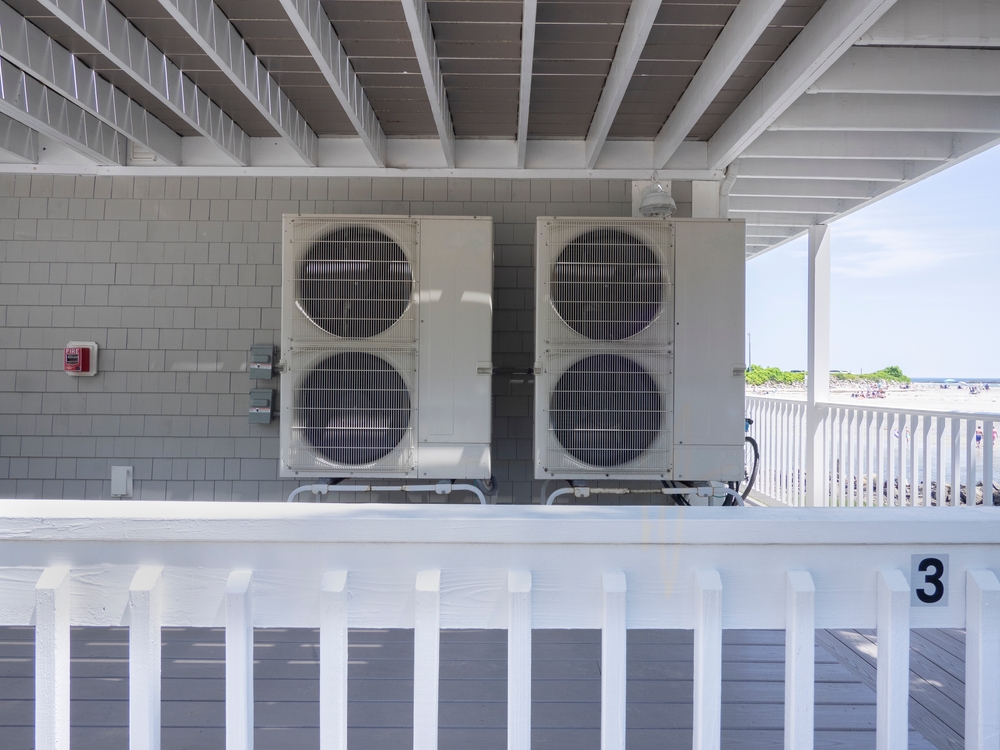
Living near the coast comes with undeniable perks, including stunning ocean views, refreshing sea breezes, and a laid-back lifestyle that many homeowners dream about. Unfortunately, it also comes with salty air that has lasting effects on your home’s most important systems, including your HVAC system. Understanding how salty air affects HVAC systems is the first step toward protecting your comfort, controlling energy costs, and extending the life of your equipment.
How Salty Air Causes Corrosion in HVAC Systems
Salt is highly corrosive, and when it’s present in the air, it can settle on exposed HVAC components day after day. Coastal environments create the perfect conditions for corrosion, especially when salt particles combine with moisture and humidity. Over time, this mixture eats away at metal surfaces and sensitive electrical parts throughout your system, including:
- The Outdoor Condenser Unit: These units are constantly exposed to the elements, and salt buildup on condenser coils can significantly impact performance. For example, corrosion weakens the metal fins and tubing, making it harder for the system to release heat efficiently. As heat transfer becomes less effective, the system has to work harder to cool your home, which increases strain on other components.
- Fasteners and Structural Hardware: Bolts, screws, brackets, and panels can rust, loosen, or weaken over time. While these parts may seem minor, corrosion can lead to rattling components, air leaks, or misalignment that further reduce system efficiency.
- Electrical Connections: Salt exposure can corrode wiring terminals, contact points, and control boards. This corrosion increases electrical resistance, which can cause inconsistent operation, sensor failures, or complete system shutdowns. In some cases, corrosion-related electrical issues can be difficult to diagnose and may lead to repeated service calls.
Why Corrosion Reduces Efficiency and Shortens Equipment Lifespan
When corrosion sets in, your HVAC system has to work harder to deliver the same level of comfort. And compromised coils and damaged electrical components force the system to run longer cycles and draw more power. This increased workload not only raises energy bills but also accelerates wear on compressors, motors, and fans. Over time, this constant strain can cause components that might otherwise last 15 to 20 years to fail much earlier than expected without proper care.
Signs Your HVAC System May Be Affected by Salt Exposure
Because salt-related damage happens gradually, many homeowners don’t realize there’s a problem until symptoms become hard to ignore. Knowing what to watch for can help you address issues early and avoid costly repairs.
- Visible Rust or Pitting: Take a look at your outdoor unit. Do you see orange or brown streaks? Does the metal look like it’s being eaten away? This is the most obvious sign of salt damage.
- Unusual Noises: Rattling, buzzing, or grinding sounds can indicate that internal components have become loose due to rusted fasteners or that the fan motor is struggling against corroded bearings.
- Reduced Airflow: When coils or fans are compromised, your system can’t move air as effectively, leading to reduced airflow and hot or cold spots throughout your home.
- Higher-Than-Usual Energy Bills: As corrosion makes your system less efficient, it has to run longer to reach your thermostat’s setting. If your summer cooling bills are climbing despite similar usage patterns, salt may be stealing your system’s efficiency.
- Frequent Repairs: If you find yourself calling an HVAC technician every season for heating and AC repairs related to minor electrical issues or refrigerant leaks, it’s a sign that the coastal environment is taking its toll on the system’s integrity.
Invest in Preventative Maintenance Strategies to Combat Salt-Related Damage
While salty air is unavoidable along the coast, damage to your HVAC system doesn’t have to be. Preventative maintenance plays a critical role in protecting your equipment and preserving its long-term performance.
As you go about caring for your heating and cooling system, keep these factors in mind:
System Placement
If you are investing in a heating replacement or a new AC installation, placement is key. Whenever possible, outdoor units should be positioned to minimize direct exposure to ocean winds. Strategic placement, fencing, or wind barriers can help reduce the amount of salt that settles on your equipment without restricting airflow.
Professional Inspections
Regular professional inspections are one of the most effective ways to combat salt exposure. During maintenance visits, technicians can identify early signs of corrosion, clean affected components, and address small issues before they become major problems.
Routine Rinsing
One of the simplest things a homeowner can do is gently rinse the outdoor unit with a garden hose (not a pressure washer!) once a month. This helps wash away the salt crystals before they have a chance to bond with the metal.
Note: Always ensure the power is off or consult with a professional before performing any DIY cleaning.
Protect Your Heating & Cooling Equipment From Salty Air
At Beantown Home Services, we understand the unique challenges coastal homes face. Our team is experienced in maintaining HVAC systems exposed to salty air and knows how to keep them running efficiently year-round. If you want to safeguard your comfort, lower energy costs, and extend the life of your HVAC system, contact us today to schedule an HVAC maintenance service in Plymouth, MA, and give your system the protection it needs to thrive in a coastal environment.