
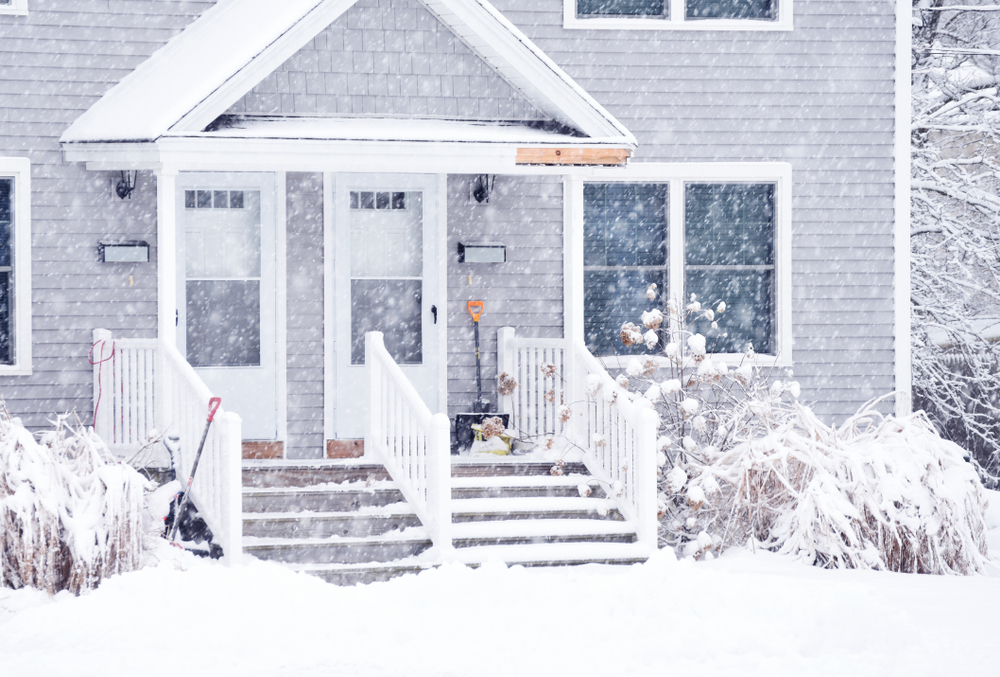
If you’ve lived in Plymouth, MA, for any amount of time, you are no stranger to the powerful storms known as Nor’easters. These coastal weather events can bring heavy snow, freezing rain, powerful winds, and bitter temperatures that affect every part of your home, including your heating system.
Whether you rely on a furnace, heat pump, or boiler, the harsh conditions of a Nor’easter can strain your HVAC equipment, reduce efficiency, and, in some cases, cause a complete breakdown when you need heat the most. Our guide will help you prepare your heating system for the upcoming season so that you don’t have to go without heat during a Nor’easter.
Why Preparing Your Heating System Matters
Nor’easters aren’t ordinary winter storms. They can cause extended power outages, extreme cold snaps, and long periods of heavy snowfall. When your heating system is already working overtime to keep your home warm, these conditions can push it to its limits.
Proactive preparation not only keeps your equipment running smoothly but also helps avoid emergency repairs during a storm, when HVAC service calls may be delayed due to unsafe weather conditions. Think of it like this: a little preparation now can save you from stressful (and expensive) problems later.
Steps to Prepare Your Heating System for a Nor’easter
1. Schedule a Professional Heating Tune-Up
The most important step you can take is to schedule a pre-season inspection and tune-up with a licensed HVAC technician. During a maintenance appointment, a professional will:
- Clean essential components
- Check heat exchangers or coils
- Inspect the blower motor and belts
- Test safety controls
- Verify proper venting and airflow
- Evaluate overall system efficiency
All of these steps are designed to help your furnace, boiler, or heat pump run safely and efficiently before temperatures drop.
2. Replace or Clean Air Filters
A dirty or clogged air filter restricts airflow and forces your heating system to work harder — something you definitely want to avoid during a Nor’easter. Why? Well, restricted airflow can cause overheating and system shutdowns.
Before the next winter storm arrives, check your air filter and replace it if it’s dirty or clogged. Then, do this again every three months. If you have pets, allergies, or a large household, more frequent replacements may be necessary.
3. Clear Snow and Debris from Outdoor Units
If you have a heat pump or outdoor boiler components, make sure they are free of leaves, branches, ice, and snow. Consider also trimming back vegetation so that there is at least two to three feet of clearance around the entire unit.
Since heavy snowfall during a Nor’easter can bury your outdoor unit and cause ice buildup and airflow issues, be sure to gently brush away snow and ice after a storm. Do not use sharp tools, though, as these can damage the unit.
4. Inspect Your Vents, Flues, and Chimneys
Blocked vents and flues can cause dangerous carbon monoxide buildup and ventilation issues. So, before severe weather hits, check that exhaust vents are clear, chimney caps are secure, and snow piles or ice dams cannot block airflow.
If you’re uncomfortable doing this yourself, a heating professional can inspect these components during a maintenance visit.
5. Test Your Thermostat
Make sure your thermostat is responding properly and accurately reading indoor temperatures. If it’s slow, inaccurate, or malfunctioning, your heating system may not heat effectively during a storm.
If your thermostat is older, you may also consider upgrading to a smart thermostat. These devices help maintain consistent temperatures and can prevent your system from cycling too often during extreme weather.
6. Check for Drafts and Insulate Your Home
Even the best heating system will struggle if your home isn’t well insulated, and Nor’easters have a way of revealing every draft. Seal gaps around windows, doors, attics, and crawlspaces. Adding or improving insulation can make a major difference in how well your HVAC system performs when Arctic air hits the South Shore.
7. Protect Your System From Power Surges
Power outages and electrical surges are common during Nor’easters. Unfortunately, these sudden power surges can damage circuit boards, motors, and other sensitive HVAC components.
To protect your heating system during any future Nor’easters and winter storms, consider installing a whole-home surge protector. This will prevent large surges (and even minor ones) from taking a toll on your heating and cooling equipment.
8. Test Your Generator
If you have a whole-house generator, test it now. It should start easily and handle the required power draw of your heating system and other essential devices (like a well pump or refrigerator). If it doesn’t seem to be working properly, or if it’s been some time since it’s been tuned up, call our experts for generator services in Plymouth, MA, and the surrounding areas.
Don’t have a generator? We can install one for you! We believe they are one of the greatest ways of protecting heating systems during Nor’easters.
9. Protect Against Frozen Pipes
Frozen pipes are one of the most common and costly problems homeowners with boiler systems face during Nor’easters. When temperatures plummet and winds intensify, exposed or poorly insulated pipes can freeze, leading to major water damage once they thaw.
To protect your home:
- Insulate exposed pipes, especially in basements, crawlspaces, attics, garages, or along exterior walls.
- Open cabinet doors under sinks to help warm air circulate during extreme cold.
- Let faucets drip slightly to keep water moving and prevent freezing in vulnerable areas.
- Know where your main water shutoff valve is so you can quickly act if a pipe bursts.
Taking these precautions helps reduce the workload on your home’s boiler and minimizes the risk of plumbing emergencies that often accompany severe winter storms.
Prepare Today for a Worry-Free Winter
At Beantown Home Services, we’ve been servicing heating systems for over 20 years, and we’ve seen firsthand how disruptive Nor’easters can be. This also means we know exactly how to help you get your furnace, boiler, or heat pump ready for the upcoming season.
With timely heating repairs and reliable maintenance, we’ll make sure your system is in peak condition before winter rolls in. And if your current heating system is over fifteen years old, we can help you explore the benefits of a new energy-efficient installation.
If you’re a homeowner in Plymouth, MA, or anywhere along the South Shore, now is the perfect time to prepare your heating system for the next Nor’easter. Contact Beantown Home Services today to schedule an appointment and enjoy a warm, stress-free winter.